
Spending the winter somewhere warm is one of retirement’s great pleasures. It also means spending months outside Canada — and your provincial health plan travels with you far less than most people think.
Nova Star Insurance Consultants is a women-owned, independent brokerage in Richmond Hill, ON. We compare snowbird travel insurance from 11+ Canadian carriers, so you can choose coverage built for a long stay — not a two-week holiday.
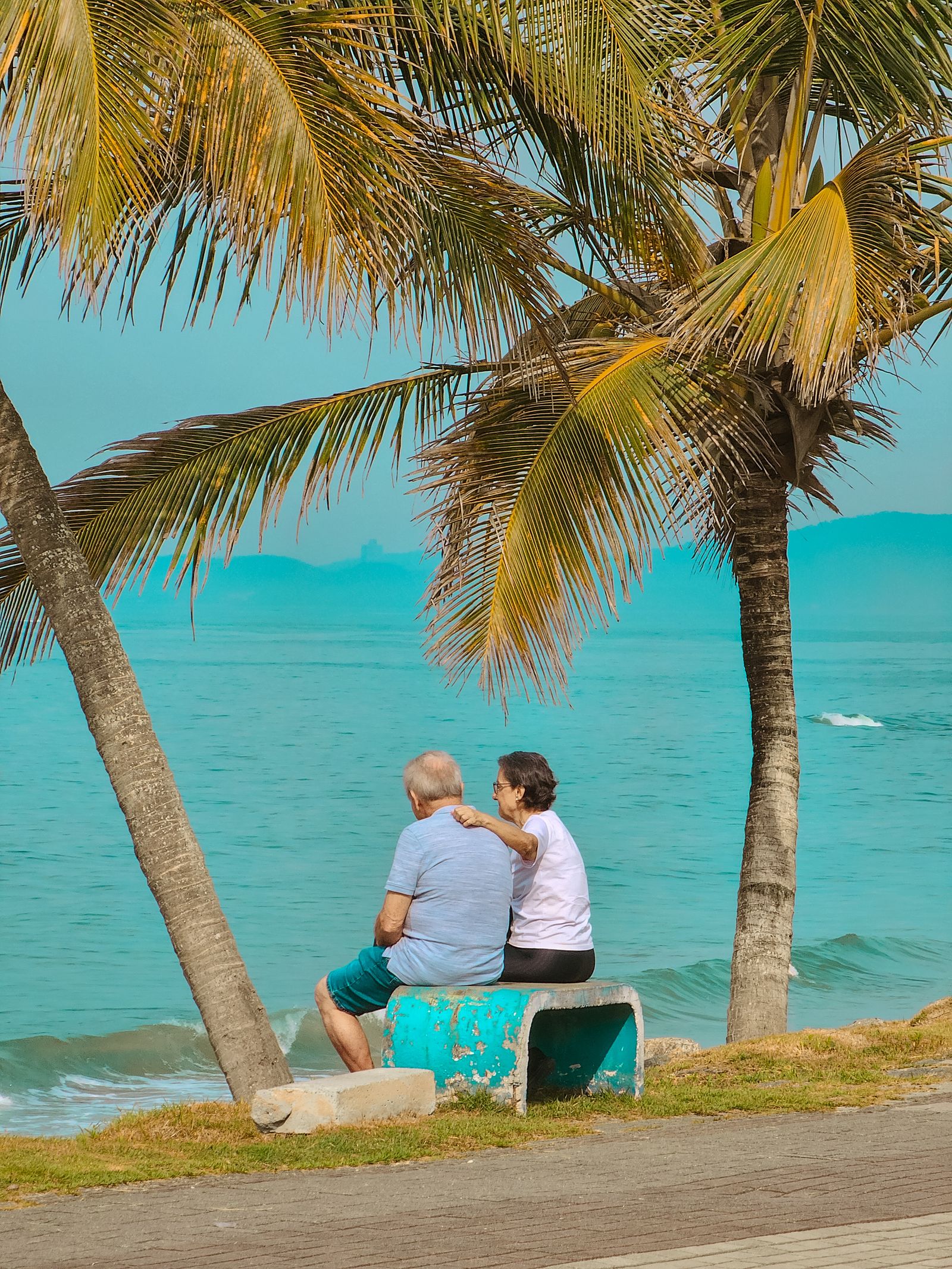
Provincial health insurance is designed for care at home. Outside Canada it pays little or nothing toward US hospital and doctor bills, and a single day in a US hospital can run into the thousands of dollars — an air ambulance home can cost far more. The Government of Canada recommends that every Canadian travelling abroad carry travel insurance, and for a stay measured in months rather than days, that recommendation matters even more.
Your trip length also affects your provincial eligibility itself. Ontario residents, for example, can be outside Ontario for up to 212 days in any 12-month period and keep their OHIP eligibility; the exact day counts differ by province. A snowbird policy should be bought for your full trip — departing and returning on the dates you actually travel — and if your plans change mid-season, your coverage dates need to change with them. Driving through other provinces on your way south? Trips within Canada have their own coverage gaps — see Travel Insurance Within Canada.
One policy covering your whole season away, from departure to return. Often the simplest fit when you take one long trip each year.
One plan covering every trip in a year, with a maximum number of days per trip (often 30 to 60). Convenient if you also take shorter trips — but a full winter away usually needs more days than the per-trip limit.
Extra days added on top of an annual plan (or coverage from a credit card or group plan) so a longer stay is covered end to end. Top-ups must be arranged before the underlying coverage runs out.
Compare all three structures side by side in Travel Insurance Plans Compared.
Most snowbird plans cover pre-existing conditions only if they have been stable for a set period before departure — commonly 90 to 180 days, depending on your age, the condition and the plan. “Stable” generally means no new symptoms, treatment changes or hospital visits for that condition during the period. This is where a broker helps most: the cheapest plan is not a bargain if a questionnaire answer makes a claim ineligible, so we walk through the medical questions with you carefully.
Barely. Since 2020, OHIP reimburses almost nothing for emergency medical care outside Canada, which is why private travel insurance is essential for snowbirds wintering in the US.
Ontario residents can be outside Ontario up to 212 days in any 12-month period and keep OHIP eligibility. Other provinces set different limits, and your travel policy still needs to cover your full trip either way.
Usually yes, if the condition has been stable for the plan’s stability period (commonly 90 to 180 days). Terms vary by carrier, age and condition, so accurate disclosure is essential.
Usually not on its own — annual plans cap each trip at a set number of days (often 30 to 60). A single-trip long-stay policy, or a top-up arranged before the annual plan’s days run out, covers a full season.
Getting started doesn’t have to be complicated. First, we take the time to understand your situation, your family, and your goals. Then, we compare options from multiple Canadian carriers and walk you through the pros and cons in plain language. You can also Contact Us.
Richmond Hill, ON